But the program was expensive, and between my student loans and my barely there savings, it had always seemed like a distant dream.
Now I could afford it.
I used money from the trust, following the plan my financial adviser laid out, enough for tuition and books, with the rest still growing quietly in the background.
I kept working part-time at Maplewood because I wasn’t ready to leave the patients I’d grown to love.
Diane and I found an apartment together near the hospital, two bedrooms, a tiny balcony where I started growing lavender and pots.
She said living alone was overrated anyway.
And I said having a roommate meant someone to split streaming subscriptions with.
We both knew it was more than that.
Grandma called every Sunday.
She’d tell me stories about mom as a child, about their adventures before she met dad, about the woman she was before life wore her down.
I recorded the calls on my phone, building an archive of the mother I was still getting to know.
and the house on Maple Drive.
I rented it to a young family, a nurse actually from Maplewood and her husband and two little girls.
The older daughter asked if she could take care of the lavender garden.
I said yes.
I said yes to a lot of things that year, to opportunities, to rest, to the slow process of understanding that I was worth more than I’d been told.
My mother didn’t give me money.
She gave me permission to believe I deserved it.
I’ve thought a lot about why Marcus became who he is.
Not to excuse him.
There’s no excuse for how he treated me.
But to understand, my brother grew up being told he was special simply because he was born male.
He didn’t have to prove anything.
The world was his by default.
So he never developed the muscles for empathy, for earning what he had, for recognizing that other people’s needs mattered as much as his own.
Psychologists call it entitlement.
The belief that you deserve things without effort.
It’s not born, it’s taught.
And once it’s there, it’s almost impossible to unlearn because admitting you’re not special means admitting your whole identity was a lie.
Marcus isn’t a monster.
He’s a product of a system that told him he was worth more than he was.
And when reality finally caught up, he didn’t know how to handle it.
I don’t know if he’ll ever change.
I hope he does.
But I also know that his change isn’t my responsibility.
My responsibility is to myself to live the life mom wanted for me.
To set boundaries that protect my peace.
To remember that walking away from toxic people isn’t cruelty.
It’s survival.
If you’re watching this and you’ve been told you’re not enough by family, by partners, by anyone who should have loved you, I want you to know they were wrong.
You were always enough.
Sometimes the people who love us protect us in ways we don’t see.
And sometimes we have to become our own protectors.
That’s what I learned from my mother.
If this story meant something to you, I’d love to hear your thoughts in the comments.
Tell me about someone who protected you or someone you wish had.
And if you want more stories like this, check the links in the description.
Thank you for staying until the end. It means more than you
| « Prev |
News
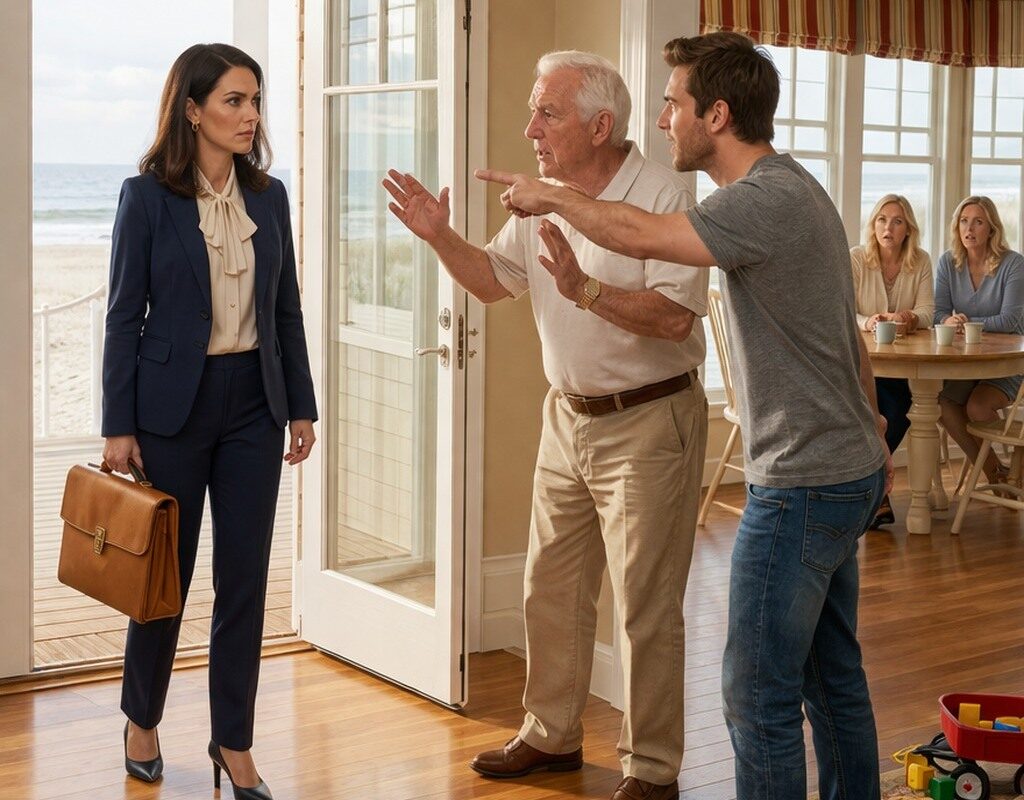
I bought my parents a $425,000 seaside house. It was for their fiftieth anniversary. It was the dream they had worked their whole lives for, but never dared to have. I wanted them to have peace. I wanted them to wake up to the sound of the ocean instead of an alarm clock.
I drove up that weekend with a cake and flowers, ready to celebrate. When I opened the front door, I didn’t find celebration. I found my mother crying at the…
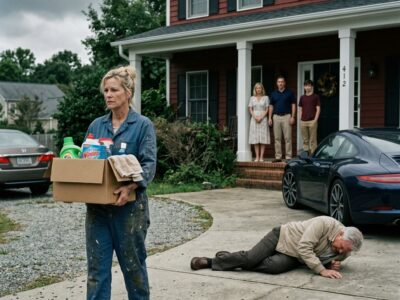
I Won $450 Million… And Kept Mopping Floors So My Toxic Family Would Never Know. For Three Years, They Treated Me Like I Was Nothing—Then Yesterday, They Kicked Me Out For “Embarrassing” Them. Today, I Came Back For My Boxes… Pulling Up In A Bugatti. My Dad Collapsed On The Lawn When He Saw Who Was Behind The Wheel—But He Still Hasn’t Heard What I Came Back To Say. – Part 2
“Because you loved me according to my usefulness,” I said. “And I wanted to know if there was anything underneath that.” Her face tightened. “That isn’t fair.” I almost smiled….
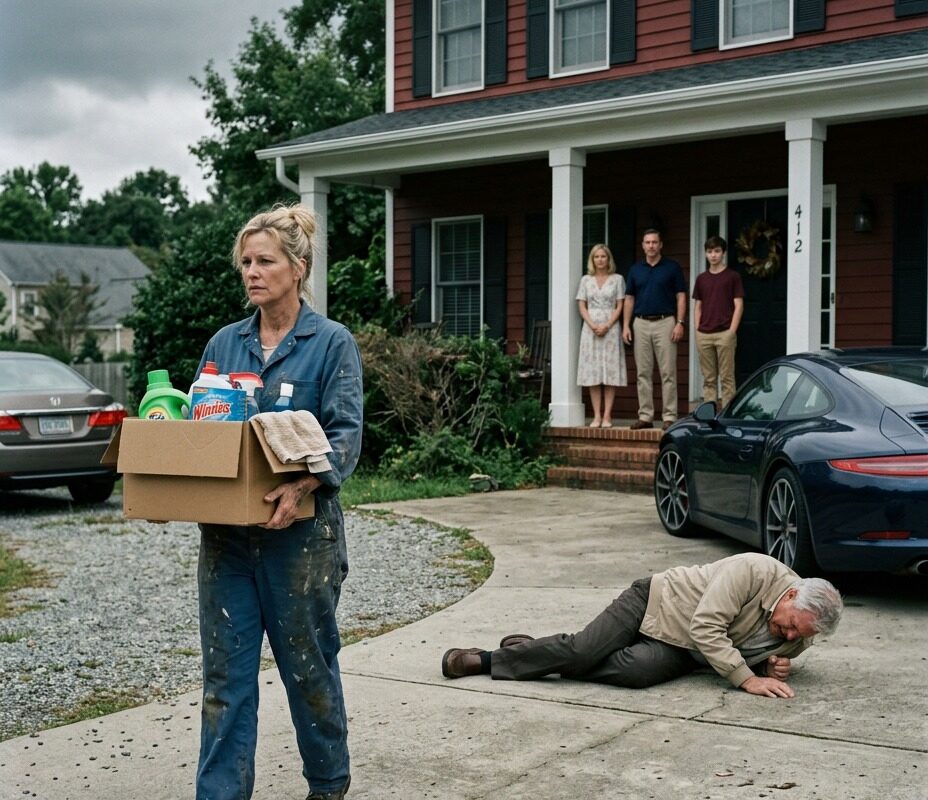
I Won $450 Million… And Kept Mopping Floors So My Toxic Family Would Never Know. For Three Years, They Treated Me Like I Was Nothing—Then Yesterday, They Kicked Me Out For “Embarrassing” Them. Today, I Came Back For My Boxes… Pulling Up In A Bugatti. My Dad Collapsed On The Lawn When He Saw Who Was Behind The Wheel—But He Still Hasn’t Heard What I Came Back To Say.
My father was laughing on the lawn when the Bugatti turned onto Alder Crest Drive. It was ten minutes to ten on a bright Thursday morning, the kind of polished…
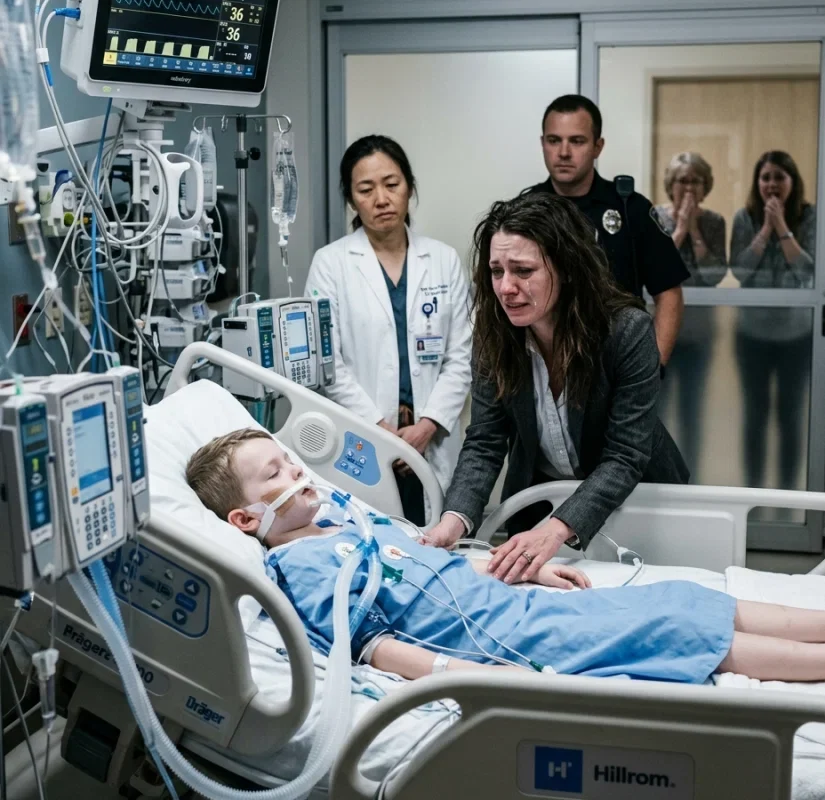
I Left My 6-Year-Old Son With My Mom And Sister Over Thanksgiving, Trusting He’d Be Safe. That Night, The Hospital Called—Critical Condition. When I Called Them, My Mom Laughed… My Sister Said He “Deserved It.” I Said Nothing. I Just Got On The First Flight Back. But The Next Morning, When They Walked Into His Hospital Room… They Both Started Screaming.
1. The Red-Eye to Hell The cheap, thin curtains of the Denver airport hotel room did little to block the harsh orange glow of the streetlights outside. The digital clock…
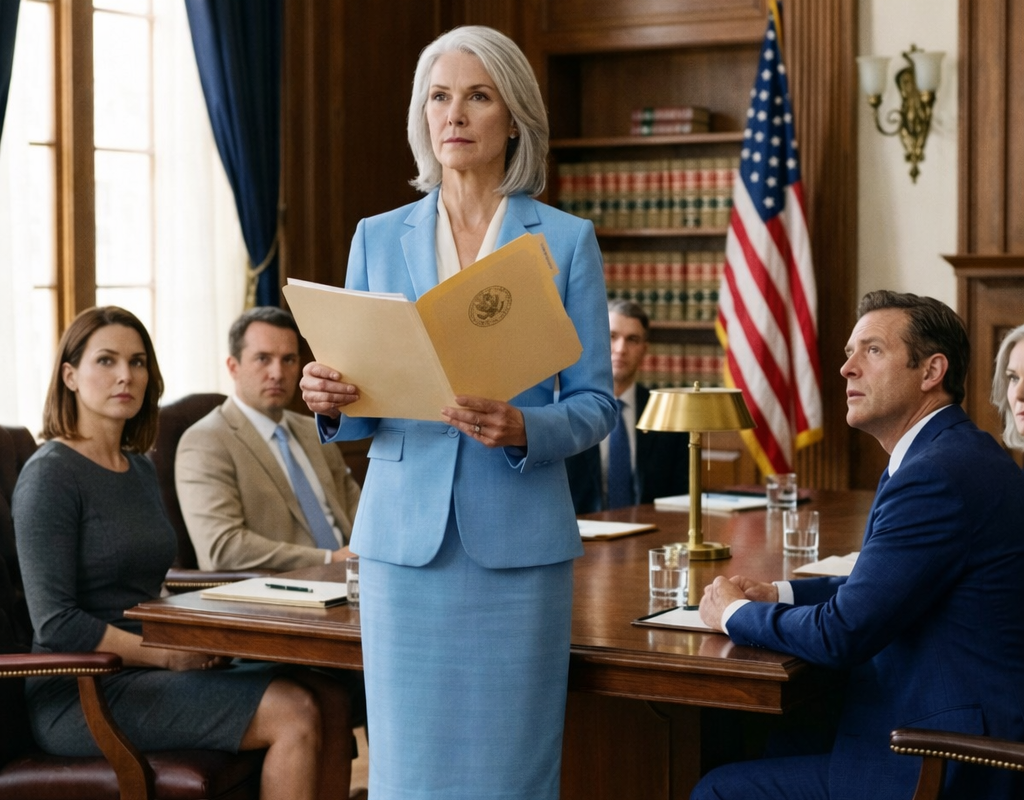
After my parents passed, my brother locked me out of the house. At the will reading, he said, “Hope you enjoy starting over, because I made sure you get nothing.” Then the lawyer said, “There’s one final section…”
After My Parents Died, My Brother Kicked Me Out Of The House, But At The Will Reading… My name is Briana Mercer and I have endured 32 years in a…
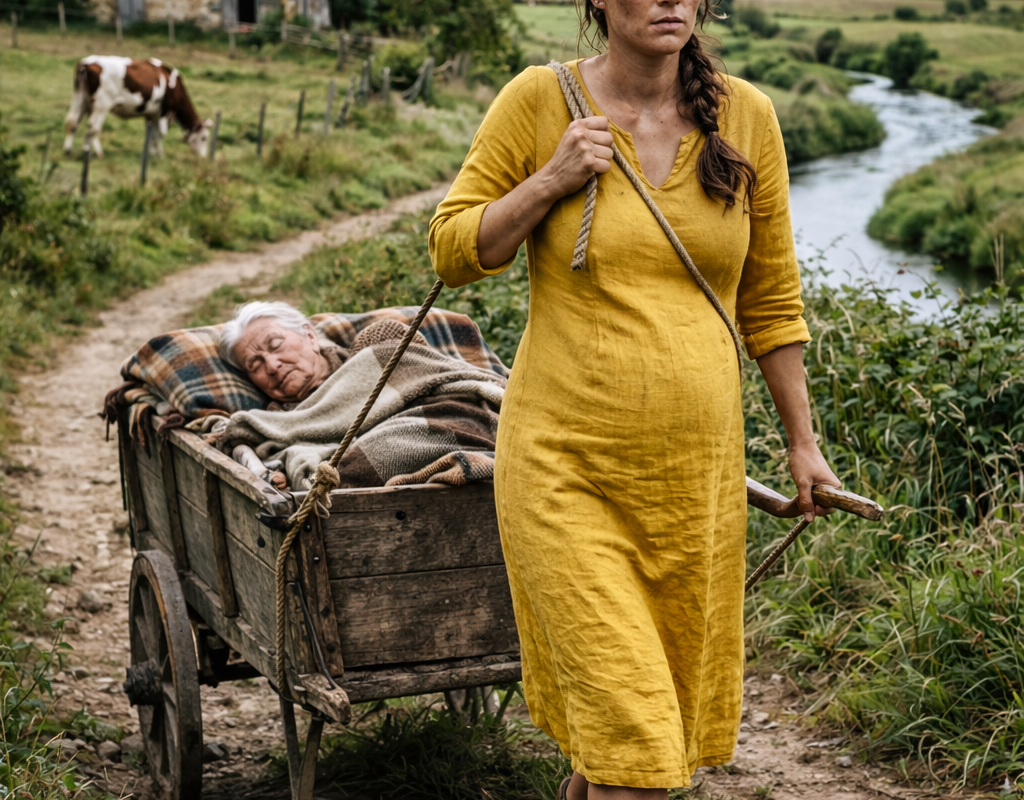
Hunted and pregnant, she agrees to treat the “crazy” woman of the family… But the heavy secret she will discover will blow up the whole city.
Chloe was clutching her 7-month-old baby bump, tears streaming down her pale cheeks. The echo of her mother’s voice still echoed in the cramped suburban apartment where she had grown…
End of content
No more pages to load